
Federal minutes reveal inflation concerns and the prospect of interest rate hikes .
The minutes of the U.S. Federal Reserve's October meeting, released on Wednesday, revealed continued concerns about rising inflation rates, with most members of the Open Market Committee inclined to consider further rate hikes a necessary option if inflationary pressures persist. And the minutes came in...
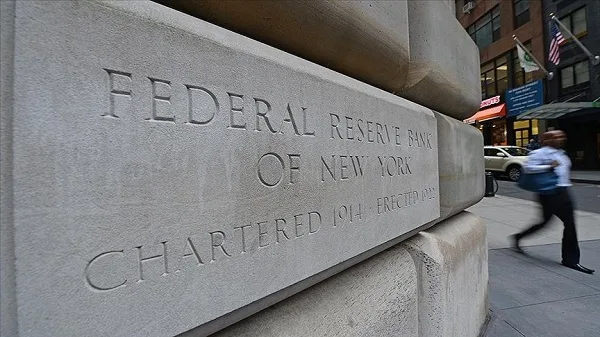
The minutes of the U.S. Federal Reserve’s October meeting, released on Wednesday, revealed continued concerns about rising inflation rates, with most members of the Open Market Committee inclined to consider further rate hikes a necessary option if inflationary pressures persist.
The minutes reflected a divergence of views on the course of monetary policy, with some members preferring to wait until more economic data were available and the impact of previous monetary tightening assessed.
A split vote on interest rates .
The minutes showed 10 members voting in favour of fixing interest rates within a range between 3.75% and 4%, with two members objecting and favoring raising them by 25 basis points.
The minutes pointed out that almost all participants believe that raising interest rates again might be appropriate, stressing that the decision to fix does not represent a retreat from the central bank’s commitment to bringing inflation back to its target.
Growing fears of continued inflation.
Fed members stressed that inflation remains at high levels, and that the risks of its rise outweigh the chances of its decline, expecting inflationary pressures to continue in the near term.
The report attributed continued pressure to higher energy prices, the impact of previous tariffs, and rising prices for some goods linked to investments in AI technologies.
He also pointed out that increasing demand associated with AI is putting pressure on the supply of technology products, leading to higher prices for related consumer goods, with the likelihood of these pressures spreading to other economic sectors.
Artificial intelligence raises financial concerns .
The report touches on the financial risks associated with the rapid expansion of AI infrastructure, noting the accelerating growth of debt used to finance these investments and increasing reliance on complex funding structures that sometimes lack clarity.
Participants warned that the declining expected returns on AI investments could lead to a sharp revaluation of assets associated with this sector, which may be reflected in financial markets.
In turn, the minutes pointed out that productivity gains resulting from the use of AI could help alleviate inflationary pressures in the long run.
Labour market and economic growth
In terms of economic activity, the minutes showed that the labor market remained stable as the U.S. economy continued to expand at a robust pace, with the labor market nearing full employment levels.
Most respondents expected the labor market to remain stable over the coming period, noting that investment spending related to artificial intelligence contributed to supporting economic growth, while the housing sector and some more interest rate sensitive activities continued to suffer relative weakness.
Risks to financial stability
The minutes warned that higher asset valuations and increased leverage levels at hedge funds could amplify the effects of economic and financial shocks.
Concerns also emerged about banks’ indirect exposure to non-bank financial institutions, along with risks from the interaction of high government debt with rising long-term bond yields, as well as cyber threats.
The minutes pointed out that the majority of participants observed a tightening in financial conditions since the September meeting, as a result of higher mortgage rates and widening yield spreads on more risky corporate debts.