
China is investing $700 billion to develop power grids and fight renewable energy surplus.
China is preparing to invest $700 billion in upgrading power grids by 2030 to address the surplus of renewable energy and raise the trading rate to 70%.
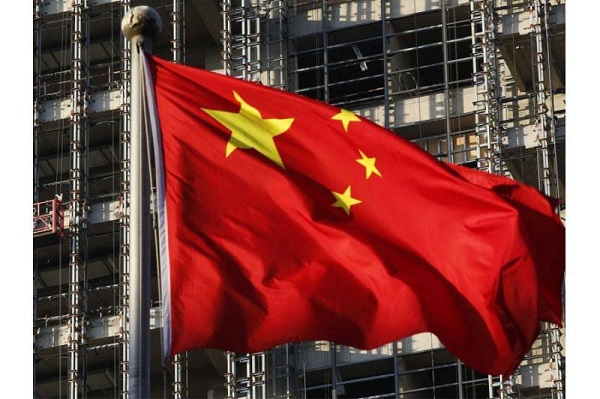
China is turning from just a huge producer of clean energy into a strategic player reshaping the entire electricity market map. In a historic move aimed at bridging the gap between massive production and distribution efforts, Beijing announced a massive investment plan worth $700 billion or equivalent to 5 trillion yuan to implement transportation network modernization projects through 2030. The announcement comes after years of rapid expansion of wind farms and solar power plants that recently faced a new challenge: how to move surplus electricity to remote industrial areas and sell it at the best price.
Transforming the national market to promote energy trading.
This plan aims to reshape infrastructure through a unified system that allows for more flexible trade in clean energy, opening up new investment markets and enhancing industrial competitiveness. Official data indicate that electricity transactions executed through market mechanisms reached 6.64 trillion kWh during 2025, accounting for 64% of total consumption. These surpass the previous year’s figures by an increase of 7.4%, while Beijing aims to raise its market-based trading share to around 70% by 2030 with completion of a unified national market by 2035.
Surplus production and energy storage challenges
Despite tremendous progress, there is still a large gap in spot trading which represents a limited portion of the market compared to long-term contracts. The latest estimates reveal the volume of unabsorbed surplus production by grids to have reached 360 TWh during the first half of 2026, a sharp increase of 49% year-on-year. This problem is due to transport networks not keeping pace with the rapid expansion of renewable power plants and the difficulty of transferring electricity from energy-rich areas to consumer cities.
To address these bottlenecks, China is relying on solutions that include upgrading grids, establishing inter-provincial transmission corridors and developing battery energy storage technologies. It also seeks to raise the share of non-fossil energy sources to 50% of total generation by 2030. China’s bet is no longer just on production but on the ability to store, transport and sell in time to turn green electricity into a new economic engine that connects manufacturing, technology and artificial intelligence.
- Invest 5 trillion yuan in power grids by 2030
- Achieve 64% of electricity trading through market mechanisms by 2025
- 360 terawatt-hour surplus in the first half of 2026
- Increase the share of non-fossil energy to 50% by 2030